We've always believed in buying and serving the best coffee possible.
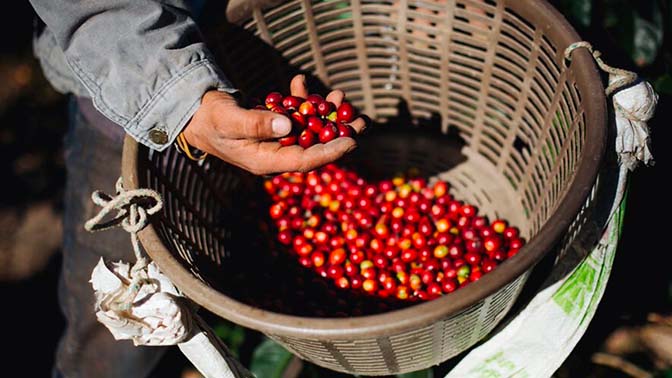
And it's our goal for all of our coffee to be grown under the highest standards of quality, using ethical trading and responsible growing practices. We think it's a better cup of coffee that also helps create a better future for farmers and a more stable climate for the planet.
- Coffee

-
With the help of Conservation International, we’ve developed ethical sourcing guidelines that help us purchase coffee that is responsibly grown and ethically traded.
- Farmer Support

-
We’re working directly with farmers to develop responsible growing methods and investing in their communities to ensure a sustainable supply of quality coffee.
- Tea

-
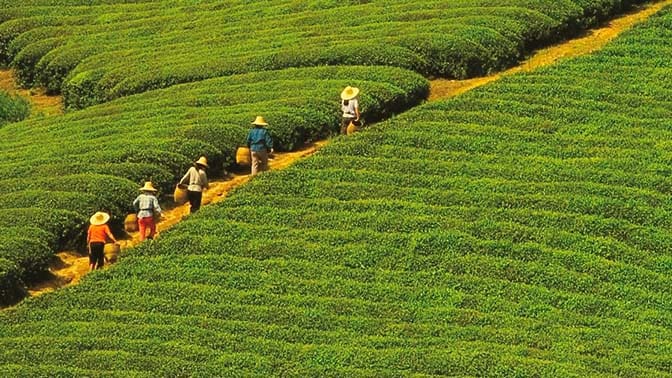
We support projects that help improve the livelihoods for producers of our distinctive Tazo® teas.
- Cocoa

-
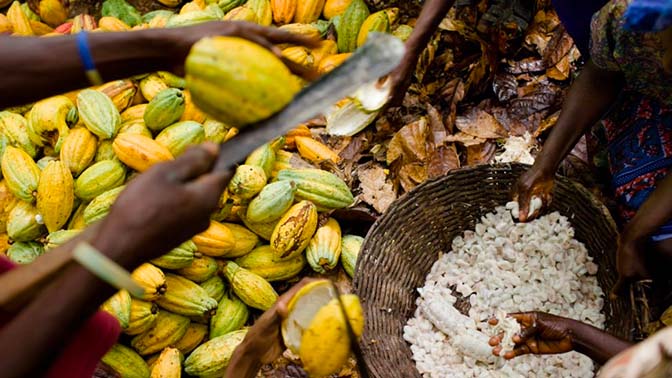
Our approach to cocoa buying is designed to ensure a long-term supply of high-quality, ethically sourced cocoa.
- Store Products

-
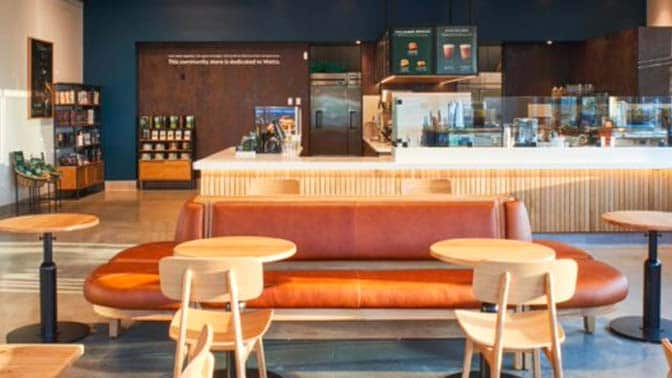
When we purchase products for our stores, we evaluate our suppliers for their commitment to social responsibility too.
Timeless Sidamo
“Our grandfathers left us a timeless treasure,” Lankamo Lana tells me as we walk through the impenetrable lush garden farms of the Homacho Waeno Cooperative in Sidamo. “The ability to understand how to keep coffee ageless through garden farms,” he says.
Most coffee farms can be traversed with ease through the relatively wide spaces between growing coffee trees, but here, the spaces between are filled with growing food. I can barely keep up with him as I carefully avoid destroying the delicate crops. I stare at him, pretending I understood what he just said, as he disappears into the next garden.
Cocoa Touches Our Hearts
Last month we traveled to Ghana, the second largest cocoa producer in the world. Starbucks is a member of the World Cocoa Foundation, an organization that promotes a sustainable cocoa economy by providing cocoa farmers with the tools they need to grow more and better cocoa, market it successfully, and earn greater profits.
Ensuring Ethically Sourced Coffee
Ever wonder how a company as big as Starbucks knows that the coffee it purchases, even from a small farm in Guatemala, is ethically sourced? We have industry-leading programs, systems and processes in place to track our purchases, but a lot also comes down to the people.
Last week I was in beautiful Antigua, Guatemala - surrounded by coffee farms and volcanoes - attending a Coffee and Farmer Equity (C.A.F.E.) Practices verifier training. The training was led by Scientific Certification Systems, the company Starbucks has worked with since 2003 to train and oversee the verification organizations, whose people visit the coffee farms around the world that sell their coffee to Starbucks. There were over 30 participants who play critical roles in verifying that the coffee we source meets the comprehensive C.A.F.E. Practices standards in countries throughout Latin America, including Costa Rica, Guatemala, El Salvador, Brazil, Mexico, Nicaragua, and Honduras. C.A.F.E. Practices is a set of coffee buying guidelines for farmers for the responsible production and processing of coffee, including both social and environmental field practices.